PNY History: From Computer Memory to Flash Storage and NVIDIA Graphics
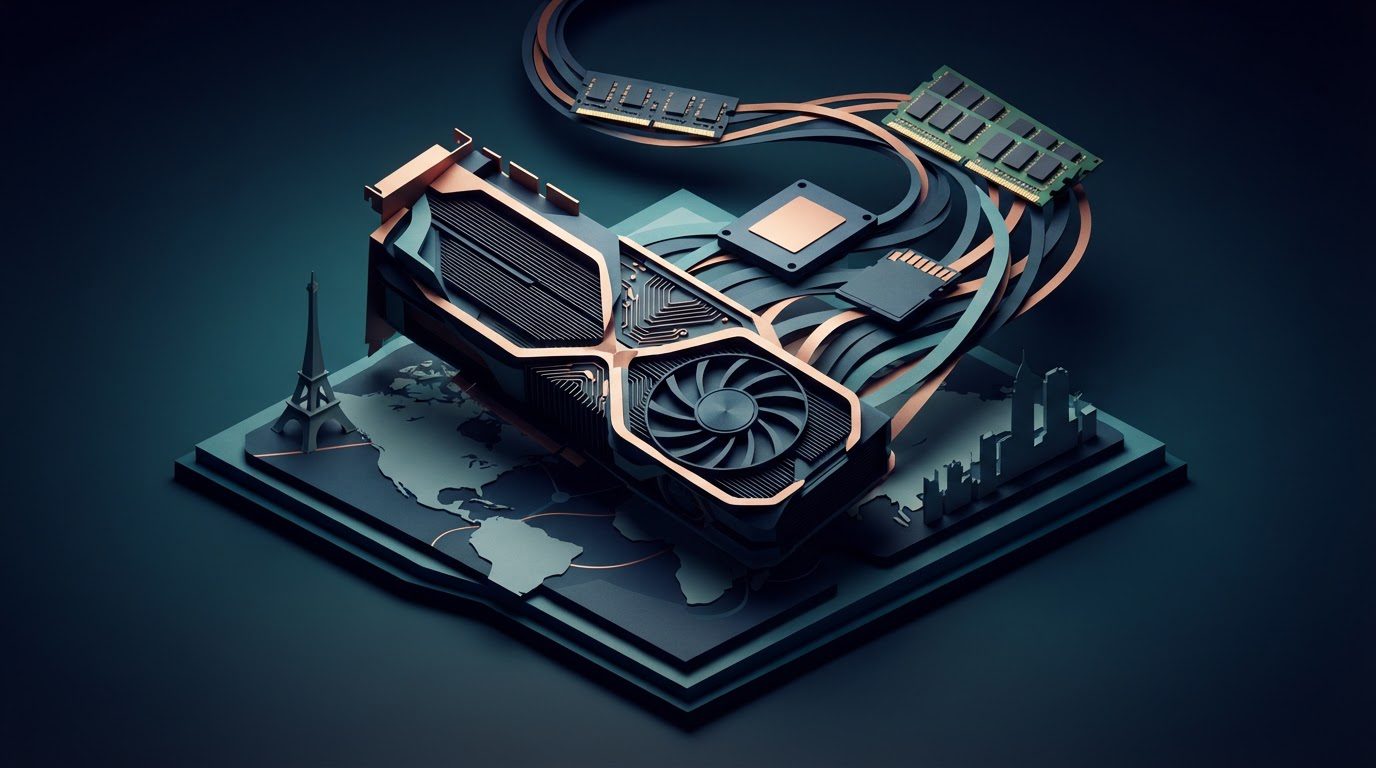
PNY dates its business to 1985, when it began in the United States as a supplier in the memory market. The company's name is commonly associated with the Paris-to-New-York connection created by its early memory-trading business, and its later headquarters became established in New Jersey. From that origin, PNY grew through components that sit inside or attach to PCs rather than through complete consumer computers.
Memory was PNY’s starting point
Memory upgrades were an early foundation because the expanding PC installed base created constant demand for compatible modules. PNY later moved into flash memory, USB drives, SSDs and memory cards, following the industry's transition from volatile working memory into multiple forms of solid-state storage.
Graphics became another major pillar through Nvidia partnerships. PNY sells GeForce cards for consumers and professional graphics and compute products for workstation and data-centre customers. That puts the company in two related supply-chain roles: module maker for memory/storage and board/system partner for GPU products.
Flash and NVIDIA graphics broadened the component business
The company's current corporate material says it serves consumers, businesses and OEM customers in more than 50 countries. Those channels matter because PNY's products often compete on availability, qualification and support as much as on proprietary silicon. Like other board and module vendors, it builds finished products around technologies supplied by upstream semiconductor companies.
PNY's breadth is partly a consequence of selling at the component layer. Memory modules, flash storage and graphics cards are different products, but all are upgradeable pieces of a larger computing system and can move through similar retail, OEM and professional channels. The company therefore expanded without needing to become a PC manufacturer itself. Its relationship with Nvidia in graphics also shows the same division of labour seen elsewhere in the industry: the GPU architecture comes from Nvidia, while PNY packages boards and professional products for specific customers. That channel-and-component role is the through-line connecting a portfolio that can otherwise look unusually fragmented.
PNY's history is best read as diversification within PC components rather than a jump from one unrelated industry to another. Memory, flash and graphics all depend on turning semiconductor technology into products that can be sold through retail, system-integrator and OEM channels. The form factors changed; the company's position between chip makers and end users largely did not.