Acconet History: The Structured-Networking Layer Behind Business IT Installations
Acconet’s official site supports a clear description of the business but does not publish the kind of founding chronology available for older networking manufacturers. The brand supplies structured-networking components including copper cabling, flyleads, RF cable, connectors, wall boxes, racks, enclosures and selected power products. No reliable founding year, named founder, first customer or first commercial product is stated on the public site.
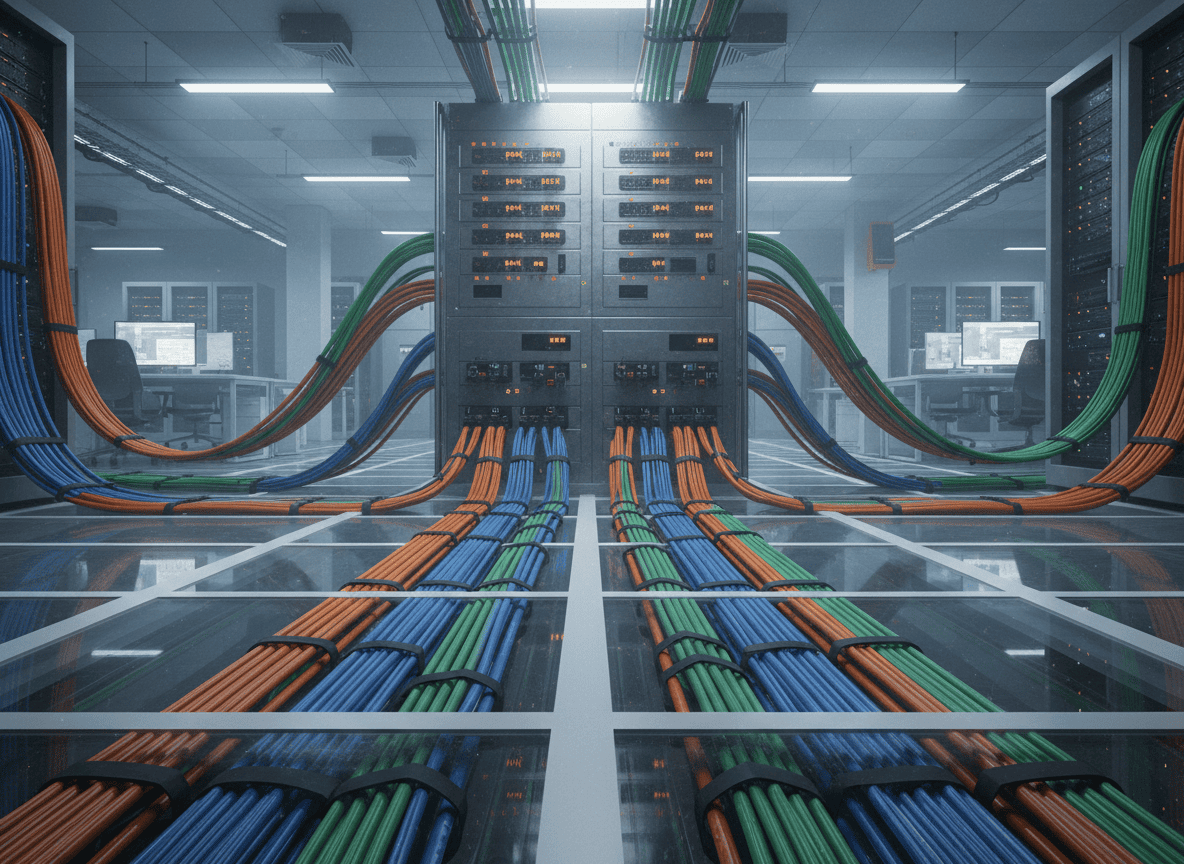
Acconet operates at the physical layer of a network installation. Routers and switches receive most of the attention, but passive infrastructure determines whether a design can be deployed: cable runs must meet distance and category requirements, equipment needs to be mounted, patching organised and power or surge protection planned.
The Structured-Networking Layer Behind Business IT Installations
The brand’s range therefore sits at the physical layer of business and installer networking. It is less about inventing a new wireless protocol than about supplying the pieces that turn a network design into a maintainable building installation. That is also why resellers, installers and IT teams are a more relevant customer base than a purely consumer audience.
As networking speeds rise, passive components do not become irrelevant. Higher Ethernet categories, fibre adoption, Power over Ethernet and denser equipment rooms increase the importance of cable quality, connectors, rack organisation and environmental planning. Acconet’s current catalogue follows those practical requirements.
Acconet today
Acconet’s current range covers structured cabling, racks, enclosures, connectors and related installation hardware used by resellers, installers and business IT teams.
Acconet’s role is easy to overlook because structured cabling is designed to disappear into walls, racks and ceilings. Yet that passive layer determines what active network equipment can reliably deliver, making installation infrastructure—not Wi-Fi marketing—the most useful way to understand the brand.
