Tesla: vehicles, energy storage and the limits of a software label
Tesla combines electric transport with energy products and software. Its corporate description places electric vehicles, solar generation and batteries within the same business, while its recent reporting extends into robotics and robotaxi operations.
The connection is electricity, manufacturing and software, but the products solve different problems. A car, a home battery and a grid-scale storage system need to be understood in their own settings. A headline about one activity does not establish the capabilities or availability of another.
Vehicle manufacturing is only part of the portfolio
Tesla’s automotive work covers vehicles and supporting infrastructure. Charging access and software are part of the ownership experience, alongside the physical vehicle itself.
The company’s third-quarter 2026 update discusses passenger vehicles, Semi, Cybercab and further development programmes. A current profile should use the stage described for each programme rather than recycle an older model list as proof that every vehicle remains in production or is sold everywhere.
An unveiling, a production start and a service deployment are different milestones. They also do not establish local stock or a South African sales and support arrangement. This profile makes no such availability claim.
Batteries serve different jobs
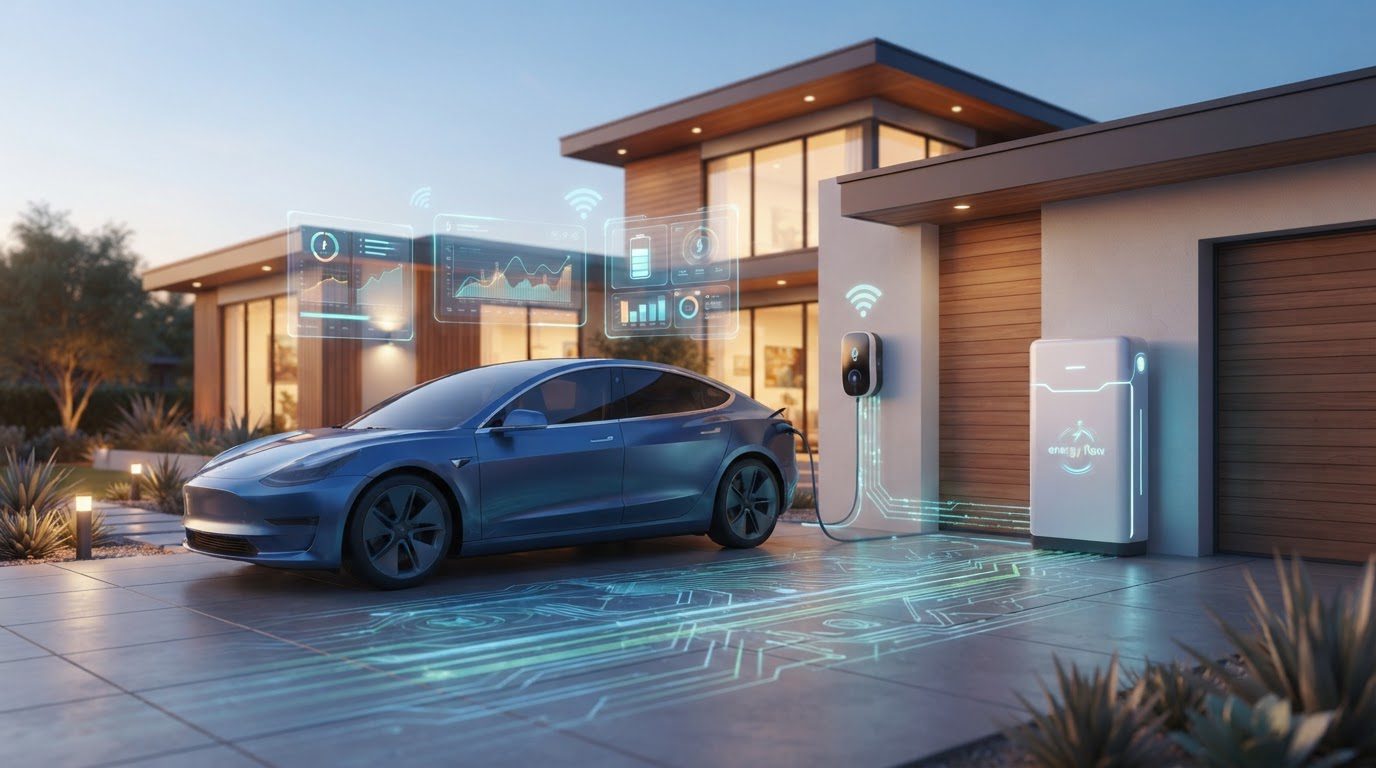
Stationary storage differs from the battery carried inside a vehicle. A home system is integrated with a household’s electrical installation; a larger storage deployment interacts with business or grid requirements.
Tesla’s energy business consequently needs to be evaluated separately from vehicle deliveries. The company reports storage deployments using energy-capacity measures, which are different from charging power or a vehicle’s driving range.
Solar generation adds another distinction: generating electricity and storing it are complementary activities, rather than alternative names for the same function. The suitability of an installation depends on the actual configuration, not simply the brand of one component.
Full Self-Driving (Supervised) requires a driver
Tesla’s support documentation is explicit that Full Self-Driving (Supervised) requires active driver supervision and does not make the vehicle autonomous.
That qualification belongs beside the product name. Removing it can turn a description of driver assistance into a materially different claim about responsibility and capability.
Tesla also states that features depend on vehicle configuration, hardware, software, model year and region, with development and regulatory approval affecting access. Owning a Tesla therefore does not establish that every software feature discussed in an overseas announcement is enabled on that vehicle.
Robotaxi reporting is a separate question
The 2026 quarterly update reports robotaxi rides using Cybercab in Austin. That is a dated company statement about a particular operation. It should not be converted into a claim that all privately owned Tesla vehicles can operate without supervision.
Robotics is another programme in the same reporting. Manufacturing progress and ambitious plans are relevant corporate developments, but they are not independent evidence of a product’s reliability or proof of broad commercial availability.
Keeping those distinctions visible lets readers follow the expanded business without confusing a demonstration, a limited deployment and a generally available product.
Origins and evidence
Tesla’s origins date to 2003. Its historical statement on founder attribution recognises a founding team, rather than attributing the creation of the company to one person alone.
The company now spans several engineering and commercial activities. Its own materials establish what it offers, reports and intends to build. Judgements about safety, efficiency or ownership outcomes need evidence appropriate to the specific product and circumstances.
For a prospective customer, that precision is useful: identify the vehicle or energy system, confirm its actual configuration and local terms, and distinguish delivered capabilities from the next stage of the company’s plans.