Monster History: How Premium Speaker Cable Became a Consumer Audio Brand
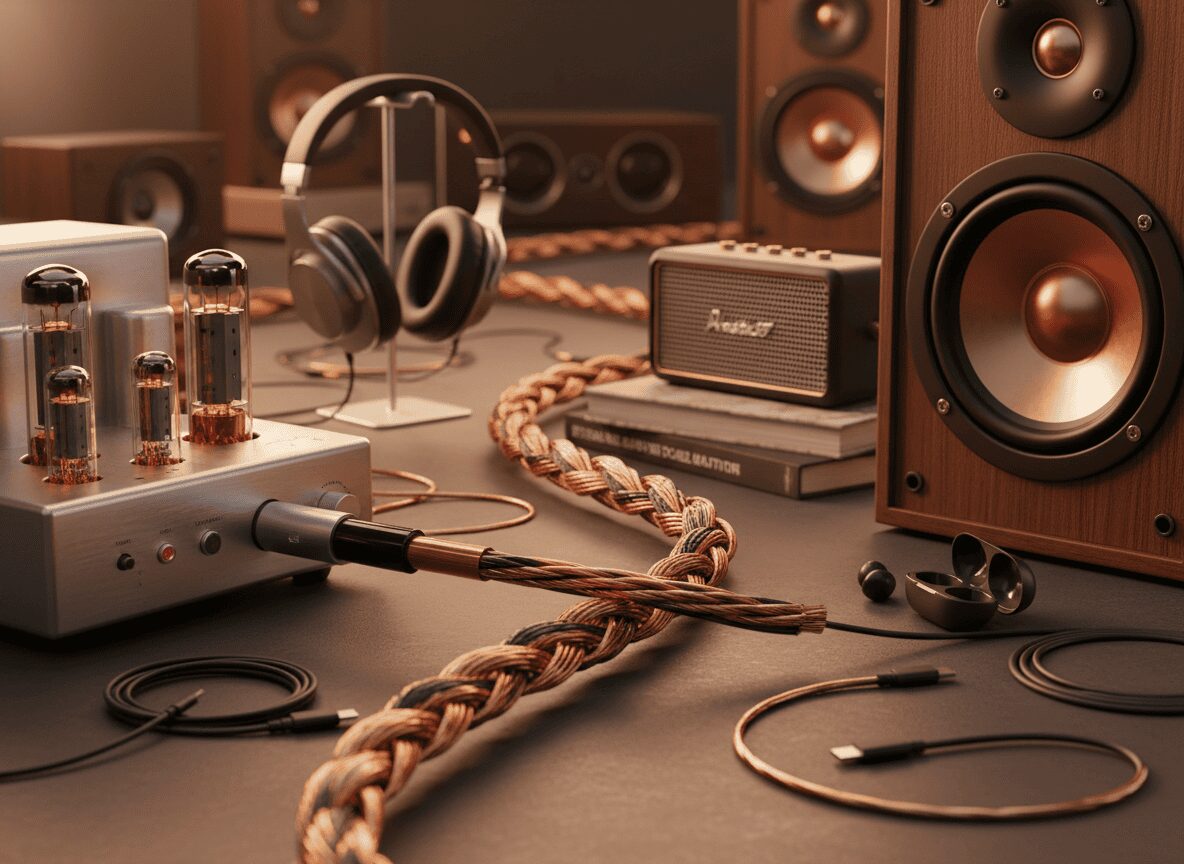
Monster began by trying to persuade hi-fi buyers that the cable between amplifier and speaker deserved attention. Engineer and audiophile Noel Lee founded Monster Cable Products in 1979 after experimenting with speaker wire and demonstrating his cables to retailers. The company's origin was therefore not headphones or Bluetooth speakers but a campaign to turn an overlooked accessory into a premium product category.
Monster made speaker cable a branded product
Lee manufactured early cables himself and sold them directly to dealers. Accounts of the company's origins identify Pacific Stereo as an early retailer willing to carry the product, while a large Canadian distributor order helped force the young company to finance production. Those details matter because Monster's initial challenge was commercial as much as technical: retailers were accustomed to treating speaker wire as a low-cost add-on.
Monster's claims about audible cable differences have long been debated in the audio world, so they should not be presented as settled engineering fact. What is historically clearer is the business consequence: the company helped popularise the idea that cabling could be branded, packaged and sold at a premium rather than treated as anonymous wire.
From hi-fi cable to a wider audio business
The company later expanded into power products, headphones, mobile accessories and other consumer electronics. Its best-known licensing relationship with Beats in the late 2000s also brought Monster deep into the premium-headphone boom, although the companies later separated. Today's Monster portfolio is broader than its original cable business.
Monster's early success was as much about merchandising as electrical engineering. Noel Lee sold the idea that an audio cable could be a distinct, premium component rather than an invisible commodity bundled with equipment. Demonstrations at hi-fi retailers helped make that argument tangible to buyers, and retail placement turned cable upgrades into an additional sale alongside speakers and amplifiers. The technical claims around premium cables remain debated; the clearer historical point is Monster’s success in branding and merchandising cabling as a premium category. The indisputable business innovation was branding and selling connectivity itself as a high-value consumer audio category.
The interesting continuity is merchandising. Monster's first major innovation was not a new computing architecture; it was making a supporting component visible enough that consumers would choose it by brand. That same skill—turning accessories into lifestyle products—helped the company move from speaker cable into categories where design and brand identity matter as much as basic connectivity.