What a Multi-Port Swimming Pool Valve Does and Why It Matters
A swimming pool relies on more than just water and chlorine to stay clean and healthy. Behind the scenes, the filtration system plays a crucial role in keeping pool water clear, safe, and comfortable to swim in. One of the most important and often misunderstood components of this system is the multi-port swimming pool valve.
Whether you own a residential pool or manage a larger facility, understanding how this valve works can help you maintain water quality, extend the life of your equipment, and avoid costly mistakes.
What Is a Multi-Port Pool Valve?
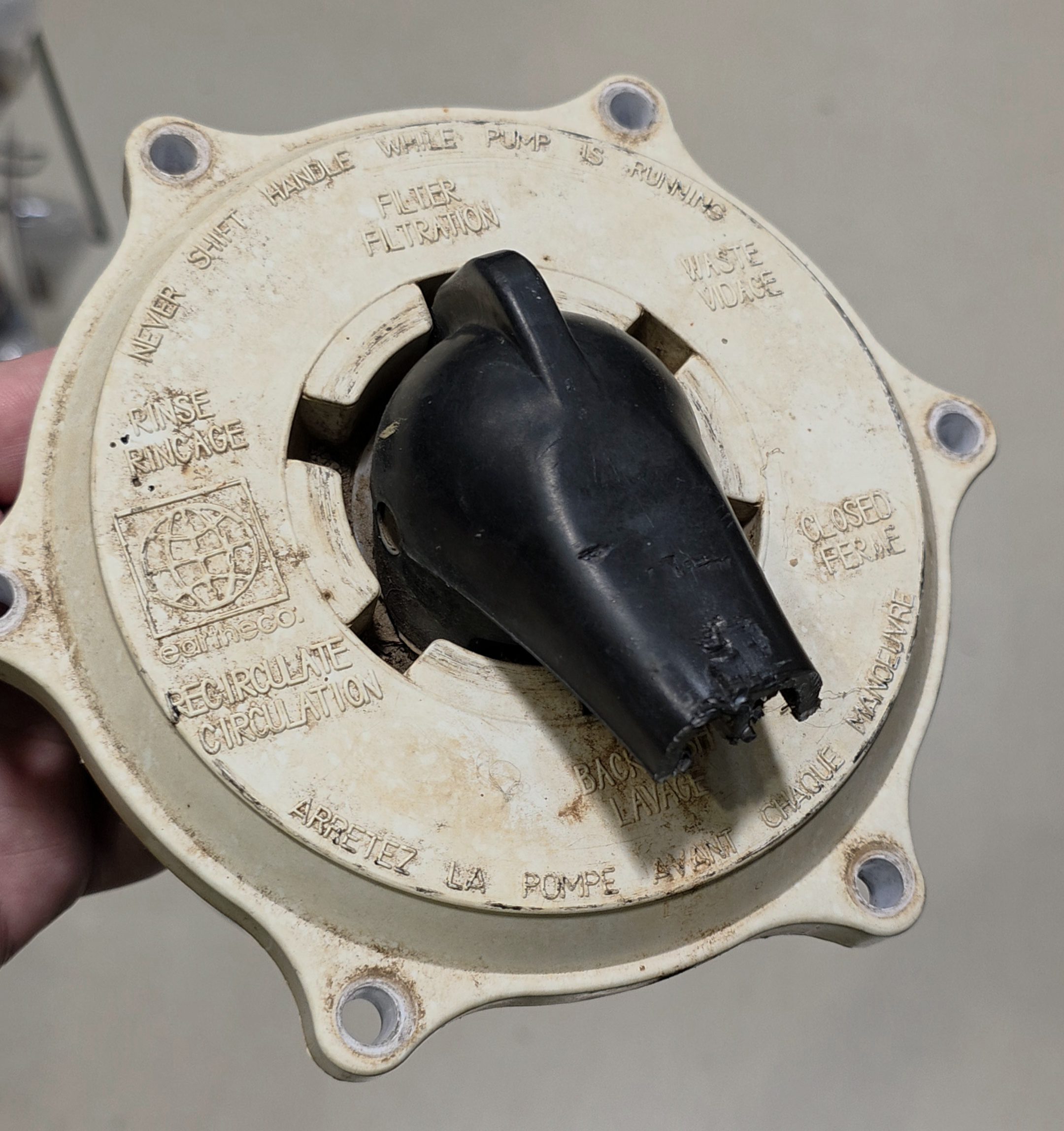
A multi-port swimming pool valve is a control valve typically mounted on top of or next to a sand or DE (diatomaceous earth) filter. Its purpose is to direct the flow of water through different paths depending on the task you want the filtration system to perform.
Instead of needing separate valves for different functions, a single multi-port valve allows you to switch between several operating modes by turning a handle. Each position changes how water moves through the pump, filter, and return lines.
Key Functions of a Multi-Port Valve
Most multi-port valves include several standard settings, each designed for a specific maintenance task:
Filter: This is the normal operating position. Water is pumped through the filter media, where dirt and debris are trapped, and then returned clean to the pool.
Backwash: Backwashing reverses the water flow through the filter to flush out trapped dirt and debris. This waste water is sent out through a drain line, helping restore filter efficiency.
Rinse: After backwashing, the rinse setting settles the filter media and prevents dirty water from returning to the pool. It usually runs for a short period before switching back to filter mode.
Waste: This setting bypasses the filter entirely and sends water straight out of the system. It’s useful for lowering water levels or vacuuming heavy debris directly to waste.
Recirculate: Water circulates through the system without passing through the filter. This is helpful when the filter is out of service or when you want to distribute chemicals quickly.
Closed: Stops water flow completely. This setting should only be used when the pump is off, as running the pump against a closed valve can cause damage.
Why the Multi-Port Valve Is Important
The multi-port valve acts as the traffic controller of your pool’s circulation system. Without it, routine tasks like cleaning the filter, removing heavy debris, or managing water levels would be far more complicated.
By allowing precise control of water flow, the valve:
- Improves filtration efficiency
- Helps maintain clear, hygienic water
- Reduces strain on the pump and filter
- Simplifies regular pool maintenance
Proper use of the valve can also extend the lifespan of expensive equipment by preventing clogging and excessive pressure buildup.
Common Mistakes to Avoid
One of the most common mistakes pool owners make is changing valve positions while the pump is running. This can damage internal seals or cause sudden pressure spikes. Always turn the pump off before adjusting the valve handle.
Another issue is skipping the rinse cycle after backwashing. Doing so can send dirty water back into the pool, undoing the cleaning process.
When to Check or Replace a Multi-Port Valve
Over time, seals inside the valve can wear out, leading to leaks or reduced performance. Signs that a valve may need servicing include:
- Water leaking from the waste line during filtering
- Difficulty turning the handle
- Poor filtration despite clean filter media
Regular inspection and proper operation can help prevent these issues and keep your pool running smoothly.
A Small Component With a Big Role
While it may not be the most visible part of a pool system, the multi-port swimming pool valve plays a critical role in water circulation and cleanliness. By understanding what each setting does and how to use it correctly, pool owners can maintain better water quality, reduce maintenance effort, and protect their equipment investment.
A well-used multi-port valve helps ensure that every swim is as clean, safe, and enjoyable as it should be.