HyperX History: From Kingston Memory to HP’s Gaming Peripherals
HyperX did not begin as a headset company. The name first appeared inside Kingston Technology in 2002, attached to high-performance memory aimed at enthusiasts and overclockers. That origin matters because the later move into headsets, keyboards, mice and microphones was an expansion out of enthusiast PC hardware, not the starting point of the brand.
HyperX began in performance memory
The first HyperX products were DDR memory modules sold into a market where overclockers cared about timings, stability and headroom. Kingston used the HyperX name to separate performance-oriented products from its broader memory business. The brand built credibility with PC enthusiasts before it entered the much more visible gaming-peripherals market. That sequence explains why HyperX could market itself around performance and reliability even after memory stopped being the main public face of the brand.
By the 2010s, HyperX was increasingly identified with gaming headsets and accessories rather than DRAM. Cloud-series headsets became especially important to that shift, putting the name in esports, streaming and console gaming as well as the enthusiast-PC market. The business changed ownership in 2021 when HP completed its $425 million acquisition of HyperX's gaming-peripherals operation from Kingston. Kingston retained its DRAM, flash and SSD products, so the transaction effectively separated the peripherals brand from the memory business that had created it.
The 2021 HP deal split the HyperX story
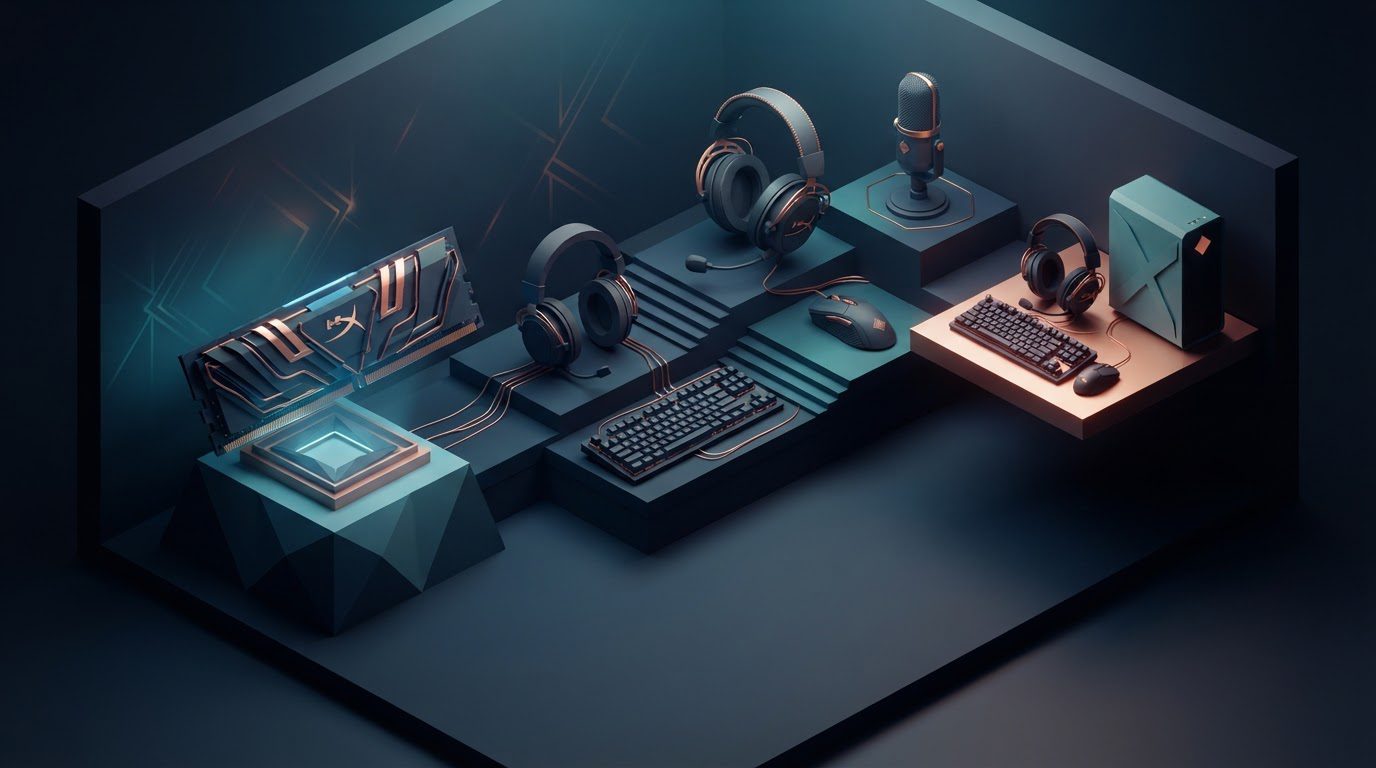
Under HP, HyperX sits beside OMEN in a broader gaming portfolio, but the two brands play different roles. OMEN is principally a PC-system and gaming-computing brand; HyperX is concentrated on the devices players touch and hear through, including headsets, keyboards, mice, microphones and console accessories. That makes HyperX's history less a story of a company changing industries than of a specialist performance label being stretched into an adjacent product ecosystem and then sold to a new parent.
The 2021 sale to HP is especially important because it split the HyperX story into two branches. HP bought the gaming-peripherals business for $425 million, while Kingston retained the DRAM, flash and SSD products that had originally established the name with enthusiasts. In other words, today's HyperX headsets, microphones, keyboards and mice sit inside HP, while Kingston continues to sell enthusiast memory under its own portfolio. That ownership change turned HyperX from a memory-led performance label into a more focused gaming-peripherals brand and makes 2021 a more meaningful dividing line than any single headset launch.
The useful through-line is not simply 'gaming'. HyperX began by selling measurable performance to PC enthusiasts and later translated the same promise into peripherals where comfort, latency, durability and audio quality matter as much as raw specifications. The 2021 HP deal changed who owned the brand, but it did not erase the enthusiast-hardware identity that Kingston established two decades earlier.