Why Counter-Strike 2 Still Matters in 2026 and What 2027 Could Bring
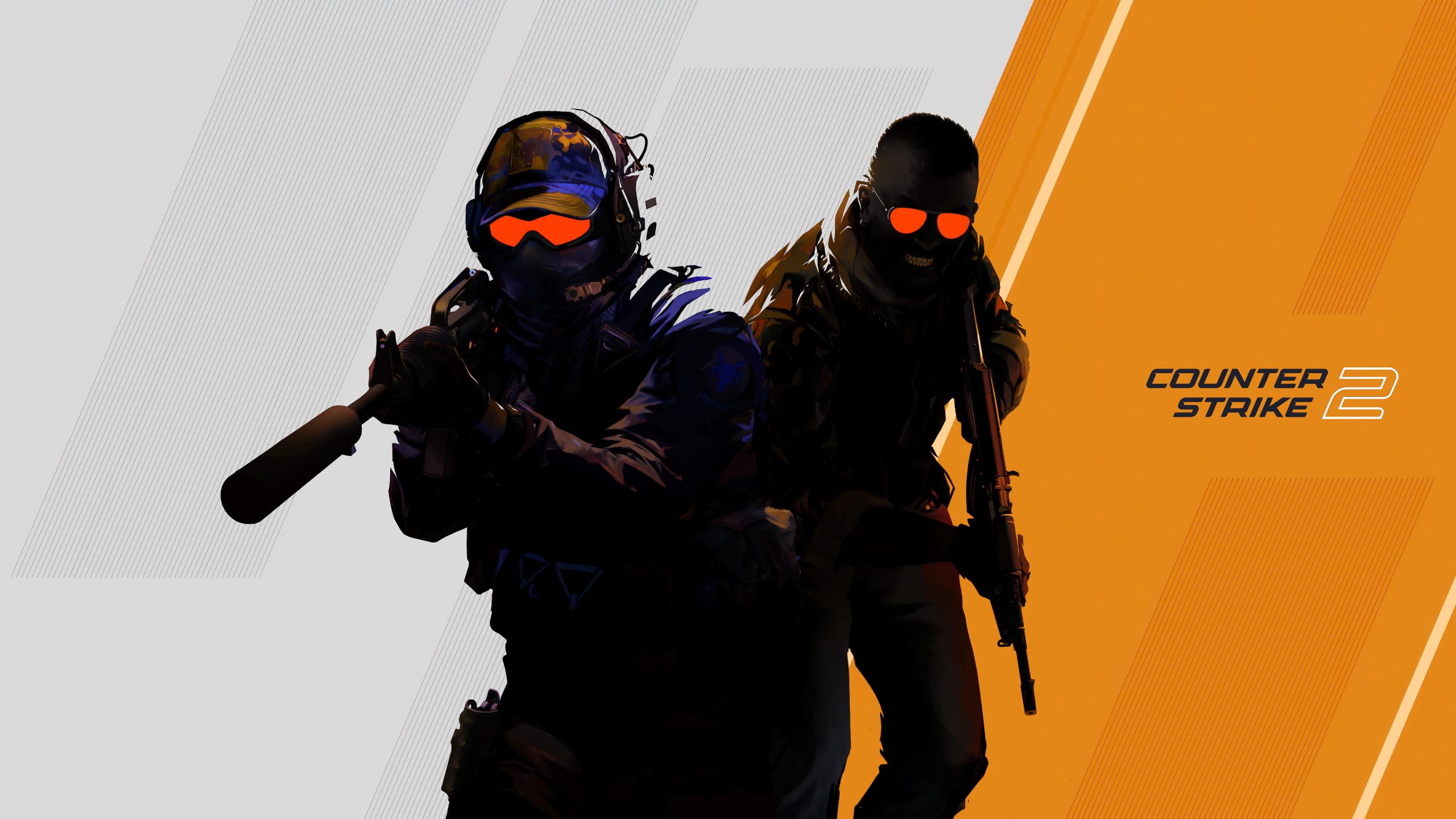
There is something almost ridiculous about Counter-Strike 2 when you stop and think about it.
The game is now several years old, its predecessor Counter-Strike: Global Offensive was already more than a decade old when CS2 replaced it, and the Counter-Strike franchise itself has been around for more than 20 years. Yet in 2026, with new shooters launching constantly and live-service games fighting for our attention, Counter-Strike 2 remains one of the biggest games on Steam.
At the time of writing, CS2 is still regularly attracting more than a million players during daily peaks, with its all-time concurrent player record sitting above 1.8 million. Even with some softening in average player numbers during 2026, those are numbers most games would dream of achieving.
I can understand why.
I have personally spent 4,504 hours playing Counter-Strike 2.
That works out to more than 187 days of continuous play. Considering I have a 9-to-5 job and all the responsibilities that come with everyday life, that is an enormous amount of time to have invested in one game.
But the strange thing is that I don’t look at those 4,504 hours and think about everything I have unlocked. Counter-Strike isn’t really about that.
I keep coming back because I still want to get better.
That is what makes Counter-Strike different from so many modern games. You can play the same map hundreds or even thousands of times and still find something to improve. Your aim can get better. Your movement can improve. Your positioning, utility usage, communication and understanding of the game can all develop.
There isn’t really an ending.
There is simply the next match.
And after 4,504 hours, I’m still not convinced I’ve mastered it.
That is an incredible achievement for any game.
Counter-Strike has also become much more than simply a competitive shooter. It has an enormous esports ecosystem, professional teams, tournaments, streamers, content creators, community maps and an economy built around skins and other items.
The result is that CS2 isn’t just a game anymore. It is an ecosystem that has been developing for decades.
That is one of the reasons it remains so difficult for another FPS to replace.
A new shooter can have better graphics, more weapons, a bigger marketing budget and plenty of innovative features, but it cannot instantly replace thousands of hours of experience. When you’ve spent years learning maps, angles, timings, recoil patterns, economy management and utility line-ups, you’re not simply attached to the game. You’ve built a skill set around it.
And that is why I don’t think Counter-Strike 2 is going anywhere in 2027.
That doesn’t mean Valve has everything right.
CS2 still has plenty of problems that frustrate the community, particularly around cheating, matchmaking, performance and networking. Valve’s communication can also be frustratingly quiet, leaving players wondering what is actually happening behind the scenes.
There has also been some decline in average player numbers during 2026. July, for example, averaged roughly 853,000 concurrent players, down from more than 1 million earlier in the year.
But context matters.
A game averaging hundreds of thousands of concurrent players several years after launch isn’t suddenly irrelevant because its numbers have dipped. CS2 continues to produce enormous player peaks, and Valve has continued updating the game rather than simply leaving it to run on autopilot.
The move to Source 2 was particularly important because Valve wasn’t simply giving Counter-Strike a graphical facelift. It was creating a technical foundation that could support the franchise for years to come.
We’ve already seen Valve continue to change maps, gameplay systems and animation technology, while the competitive scene remains extremely strong.
And that brings us to 2027.
I don’t expect Valve to suddenly announce Counter-Strike 3.
There is simply no reason to.
CS2 is now the platform.
Instead, I expect another year of gradual improvements, map changes, competitive updates, technical improvements and probably a few surprises along the way.
The professional scene should remain a major part of that future. Counter-Strike’s esports ecosystem continues to attract major events and significant investment, with 2027 already shaping up to be another substantial year for competitive Counter-Strike.
That is important because esports keeps Counter-Strike culturally relevant even outside the people who play it every day.
Someone might not have played CS2 for months, but they might still watch a Major. Someone might discover the game because they watched a professional player pull off an incredible round. Someone else might start playing because their friends have been playing Counter-Strike for years.
The cycle continues.
And perhaps that is the real secret behind Counter-Strike’s longevity.
It doesn’t need to constantly reinvent itself.
The fundamental game works.
You have two teams, weapons, money, utility, a bomb and a handful of maps. The concept is simple enough for someone to understand quickly, but the skill ceiling is almost impossible to reach.
You can spend 4,504 hours playing it and still have rounds where you make a mistake and immediately know exactly what you did wrong.
And then you queue for another match anyway.
That is Counter-Strike.
I don’t think 2027 will fundamentally change that.
There will be complaints. There will be arguments about CS2 versus CS. There will be demands for better anti-cheat, better matchmaking and better communication from Valve. There will also be new players discovering Counter-Strike for the first time and experienced players who have been here for years continuing to grind.
And millions of us will keep loading into another match after telling ourselves that we are only going to play one more.
After more than two decades, Counter-Strike is no longer competing with every new FPS that launches.
It is competing with time itself.
And judging by the fact that I’ve already put 4,504 hours into CS2 and still keep coming back, I don’t think time is winning anytime soon.