noblechairs History: How Premium Gaming Chairs Grew from the Caseking Ecosystem
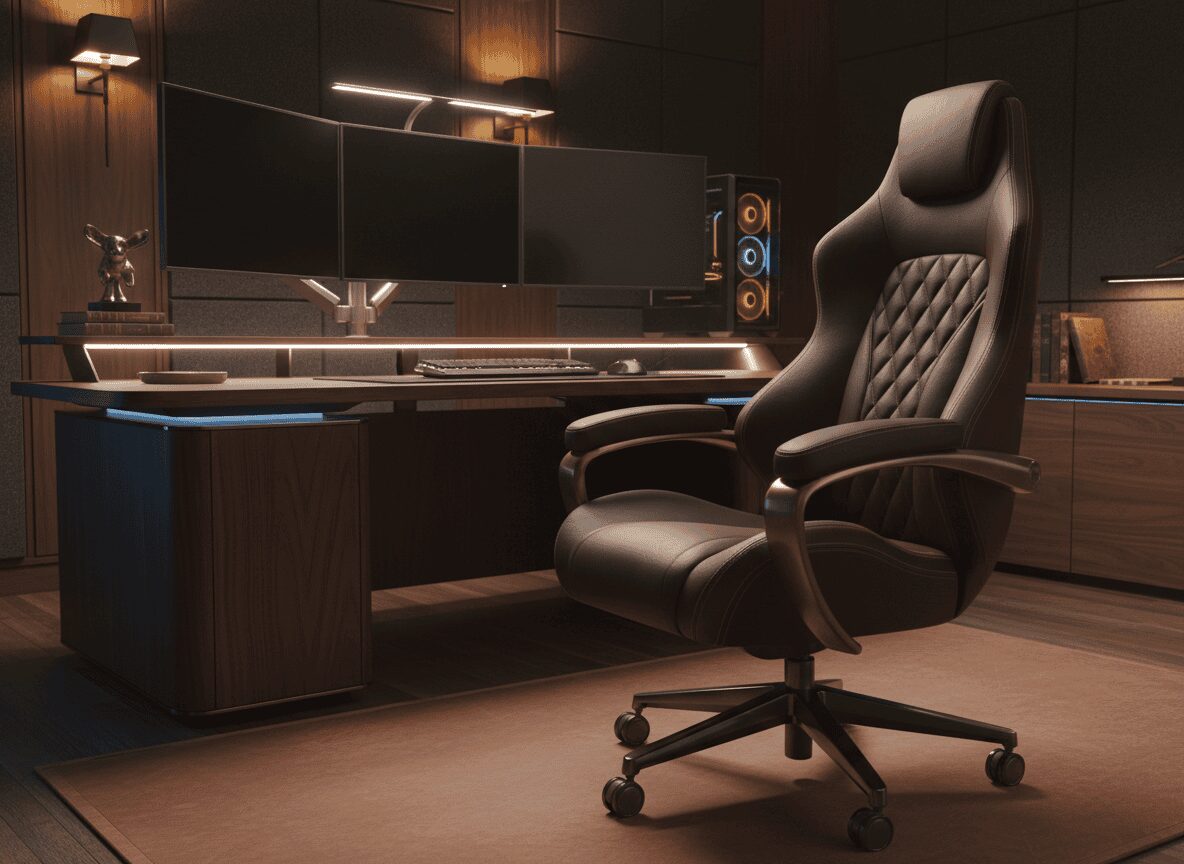
noblechairs entered the gaming-furniture market in the mid-2010s with a deliberately premium position. Current Caseking material describes the brand as German-designed and identifies the EPIC line as the spearhead of its early product range, including a real-leather version that separated it from the synthetic-leather racing chairs common in the category.
EPIC established the premium-chair position
The available official storefront does not publish a full corporate timeline, while Caseking material indicates the brand has been selling premium gaming and office chairs since 2016. That 2016 brand-era starting point is distinct from Caseking’s 2003 founding as the retailer and group company associated with noblechairs.
The EPIC, ICON, HERO and later LEGEND families illustrate how the company broadened without leaving seating. Different shapes, sizes, upholstery options and lumbar-support systems let noblechairs address both gaming and office customers. Licensed editions tied to games, films and sports clubs added another commercial layer: furniture became part ergonomic product, part fan merchandise.
From EPIC to HERO, ICON and LEGEND
That business model is far downstream from the core PC technology stack, but it still has technical constraints. Steel frames, foam density, seat geometry, armrest movement, upholstery wear and office-chair standards can matter more to the product's quality than any electronics specification. The brand's strongest differentiation has therefore been materials and construction rather than software ecosystems.
The EPIC chair became an early reference point because noblechairs positioned gaming seating closer to premium office and automotive-inspired furniture than to inexpensive racing-style chairs. Materials, stitching, foam density, adjustability and later licensed designs were part of that proposition. Caseking material indicates the brand has been selling since 2016, which is a more relevant brand date than Caseking's own 2003 founding. Keeping those dates separate avoids turning parent-company ancestry into artificial brand age. The modern HERO, ICON and LEGEND families are extensions of a furniture strategy, not evidence that noblechairs itself existed for the whole history of its retail parent.
noblechairs' history is useful precisely because it is not the same as Razer's or Nvidia's. Its opportunity came from the physical consequences of longer gaming and desk sessions. The brand's modern identity still reflects the original premium-chair idea: take a category associated with aggressive gaming styling and push it toward materials, finish and ergonomics associated with higher-end office seating.