MERCUSYS History: From 2015 Global Entry to Mesh Wi-Fi and Smart Home
MERCUSYS presents a useful distinction between market entry and corporate founding. Its current official material says the brand has been in the global market since 2015, but it does not state a separate company-founding date. That means 2015 can be used as a verified commercial milestone without being upgraded into a claim the source does not make.
2015 is a verified market-entry date, not a founding date
The brand built its range around home and small-office connectivity: routers, range extenders, Wi-Fi adapters, switches and later mesh systems, mobile broadband and smart-home devices. That is a downstream networking role. MERCUSYS does not need to design the Wi-Fi standard itself to compete; product value comes from radio design, antennas, firmware, setup, pricing and the ability to turn chipset capabilities into reliable consumer products.
The company's 2026 IFA material says it has reached more than 50 million households across over 90 countries and regions since its global-market entry. Those figures are company-supplied claims, but they illustrate the scale MERCUSYS says it has achieved by focusing on accessible networking rather than premium enterprise infrastructure.
Mesh and smart home widened the networking range
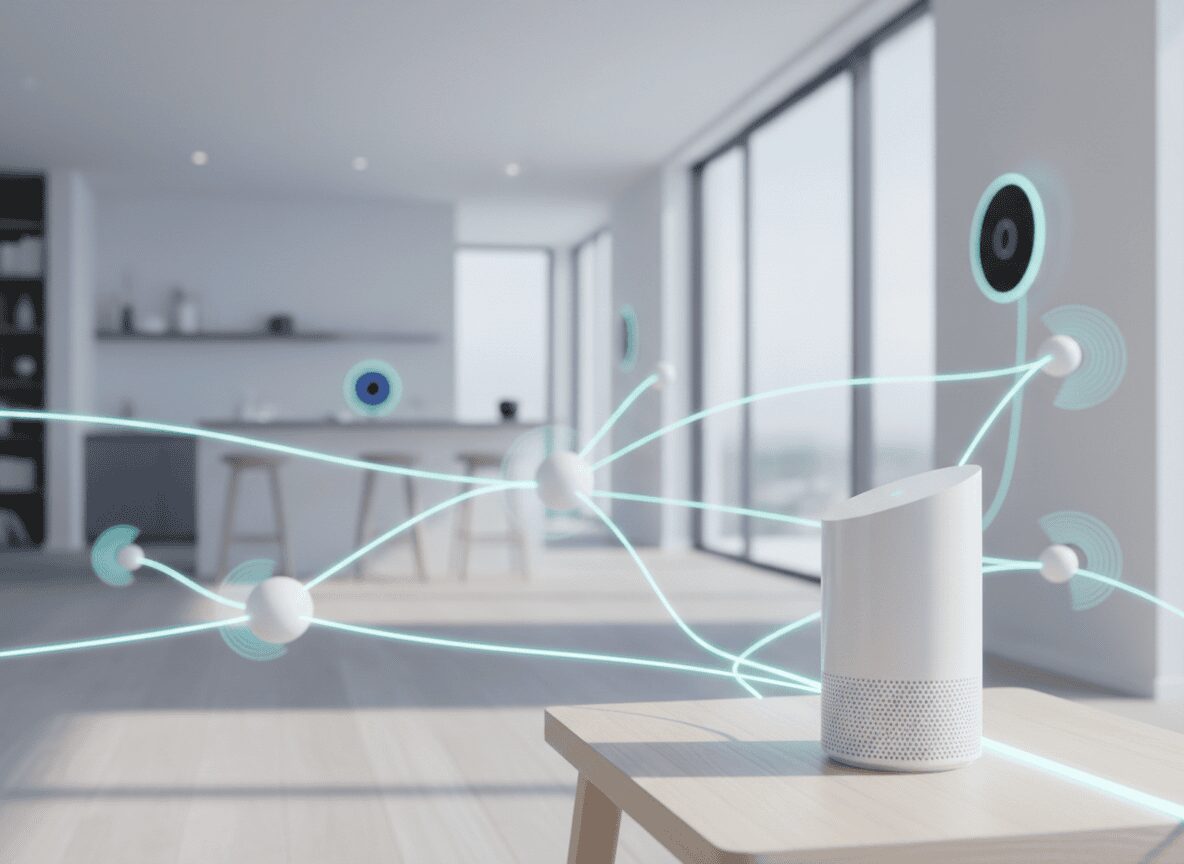
As Wi-Fi evolved from single routers toward mesh, Wi-Fi 6/7 and app-managed networks, the brand's portfolio widened with it. More recently, cameras and doorbells have extended MERCUSYS from connectivity hardware into smart-home security, using the home network as the common platform.
MERCUSYS's official material gives a useful market milestone even though it does not provide the clean founding date that a conventional company profile might want. The company says it entered the global market in 2015 and has since expanded across many countries. That is enough to anchor a history without manufacturing a legal origin date. Its product progression—from basic routers and range extenders toward mesh systems, newer Wi-Fi generations and connected-home devices—also reflects changes in household networking. The important continuity is affordable consumer connectivity, while the technical requirements have moved from simply getting online to managing many devices across a whole home.
The honest history begins with what is documented: global-market entry in 2015 and subsequent expansion through home-networking categories. Until the company publishes a clearer legal founding chronology, calling 2015 the 'founding year' would go beyond the evidence. That restraint is preferable to a cleaner but unsupported timeline.