MARA: Energy, Data Centres and Computing Infrastructure
MARA Holdings is an American energy and digital infrastructure company whose business has been closely associated with Bitcoin mining. The company operates and develops computing facilities that use substantial electrical power, combining digital asset activities with infrastructure suitable for other demanding workloads. Bitcoin mining involves using specialised hardware to perform calculations related to the operation and security of the Bitcoin network. MARA has developed expertise in obtaining and managing power, operating large computing installations and maintaining the systems needed for continuous processing. Its strategy has increasingly expanded toward artificial intelligence, high-performance computing and related digital infrastructure opportunities. The company describes its business in terms of connecting energy resources with computing demand, rather than developing a general-purpose consumer application.
Power resources shape the development opportunity
MARA connects electricity access with digital infrastructure. Its experience in large computing operations provides a foundation for sourcing and developing powered sites.
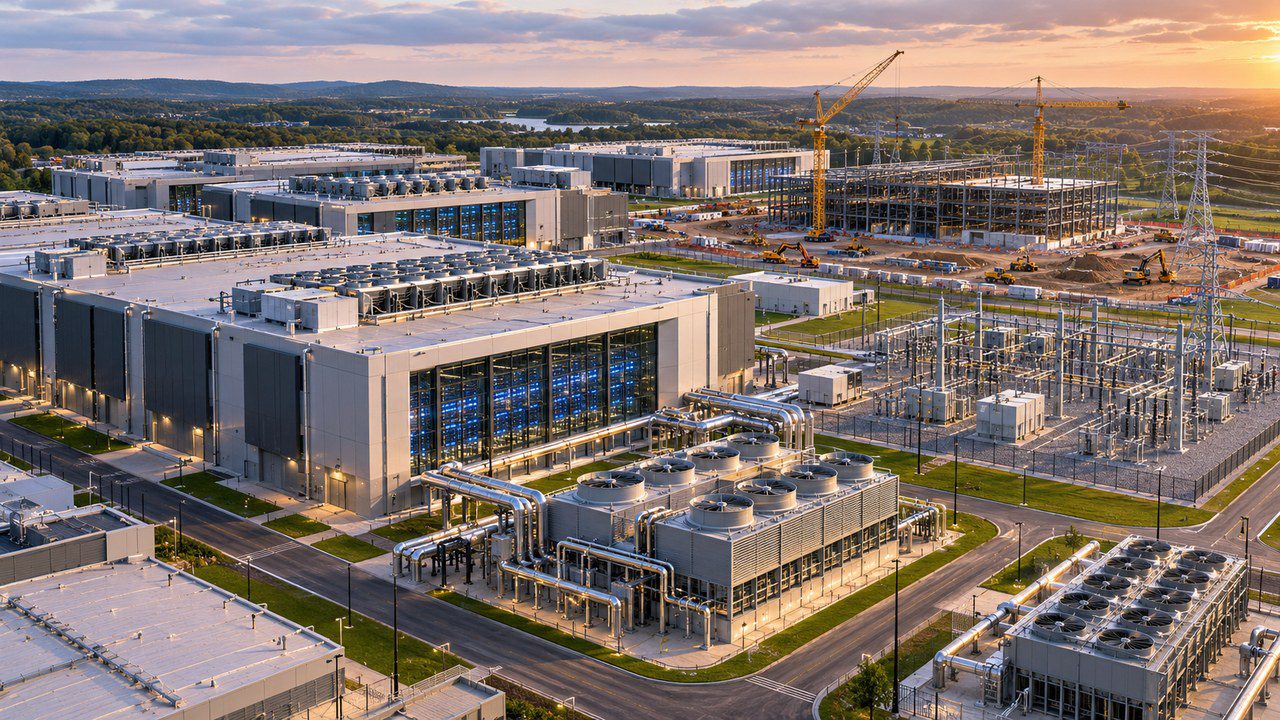
A power connection is part of the opportunity, but a customer deployment also needs the appropriate building, cooling and electrical distribution. The intended computing hardware determines how that infrastructure must be arranged.
Colocation and dedicated developments serve different customers
The company’s current offering describes colocation, build-to-suit facilities and dedicated campuses. These represent different arrangements for providing the environment around customer computing equipment.
The project stage remains important. Potential capacity or an acquisition subject to closing should not be described as though every part is already available for operation.
Flexible workloads connect computing with energy conditions
MARA’s Vertebrai offering addresses matching computing activity with available power. Its published use cases include load management and using capacity that might otherwise remain idle.
That adds an energy-management dimension alongside conventional facility development. The wider business combines physical sites, operating expertise and computing demand, with different workloads serving different roles within that infrastructure model.