Avatar: Frontiers of Pandora – A Living World Worth Protecting
Avatar: Frontiers of Pandora is more than a visually striking game set in a famous universe. It is a deeply immersive open-world experience that places players inside a living, breathing ecosystem, where exploration, survival, and responsibility are tightly woven together. Rather than retelling the events of the films, the game carves out its own identity, allowing players to experience Pandora from a fresh perspective while staying true to the soul of the franchise.
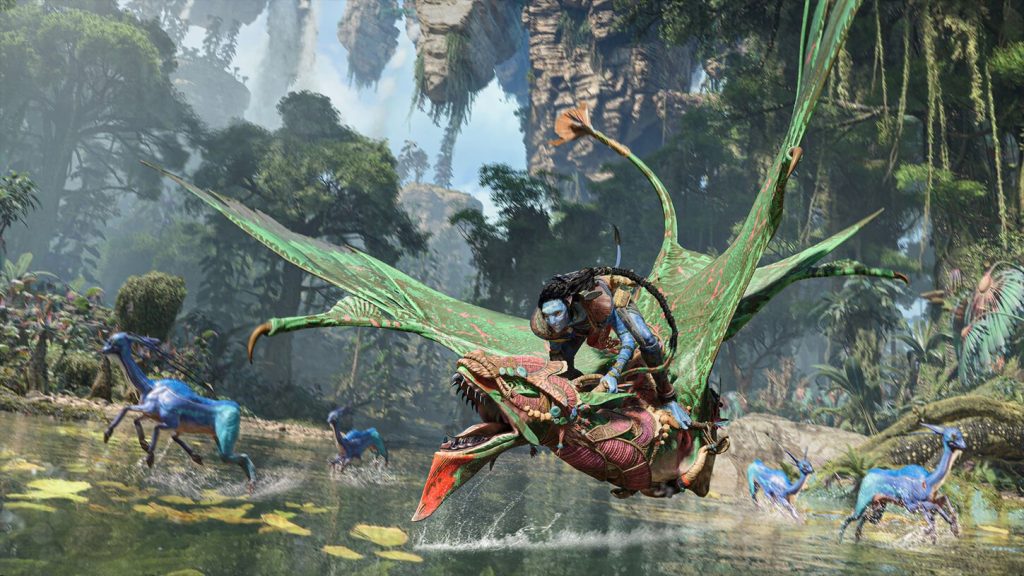
From the moment you step into the Western Frontier, Pandora feels alive. The environment reacts to movement, sound, and time of day, creating a sense of place that goes far beyond visual spectacle. Dense jungles sway in the wind, bioluminescent plants glow as night falls, and wildlife moves through the world with purpose. This attention to environmental detail reinforces the game’s core message: Pandora is not just a setting, it is a character in its own right.
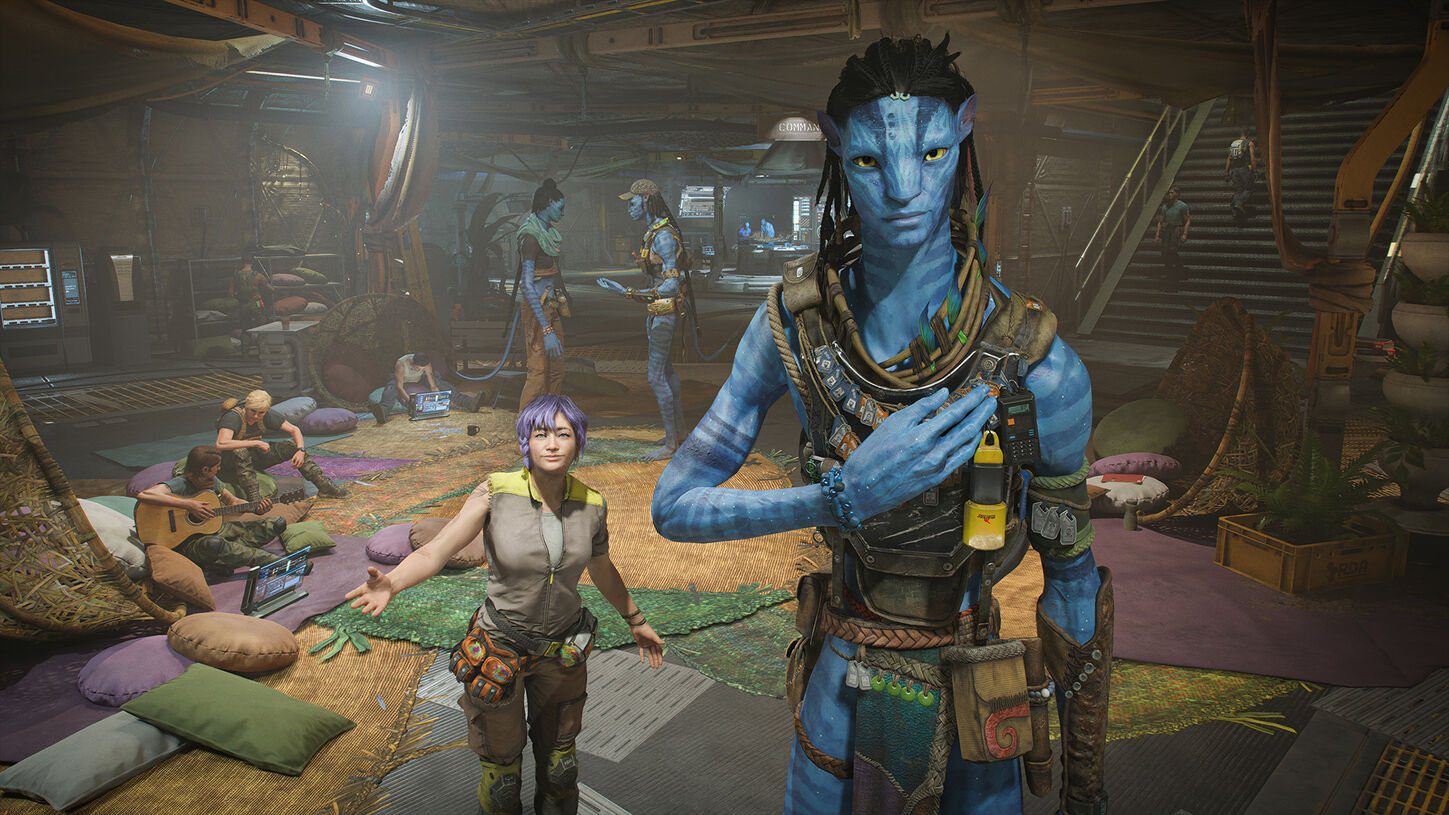
At the heart of the experience is the contrast between nature and industrial expansion. Players take on the role of a Na’vi raised away from their people, rediscovering their heritage while resisting the destructive forces threatening the land. This narrative framework gives emotional weight to exploration and combat alike. Every action feels connected to the broader struggle to protect balance, rather than simply progressing objectives.
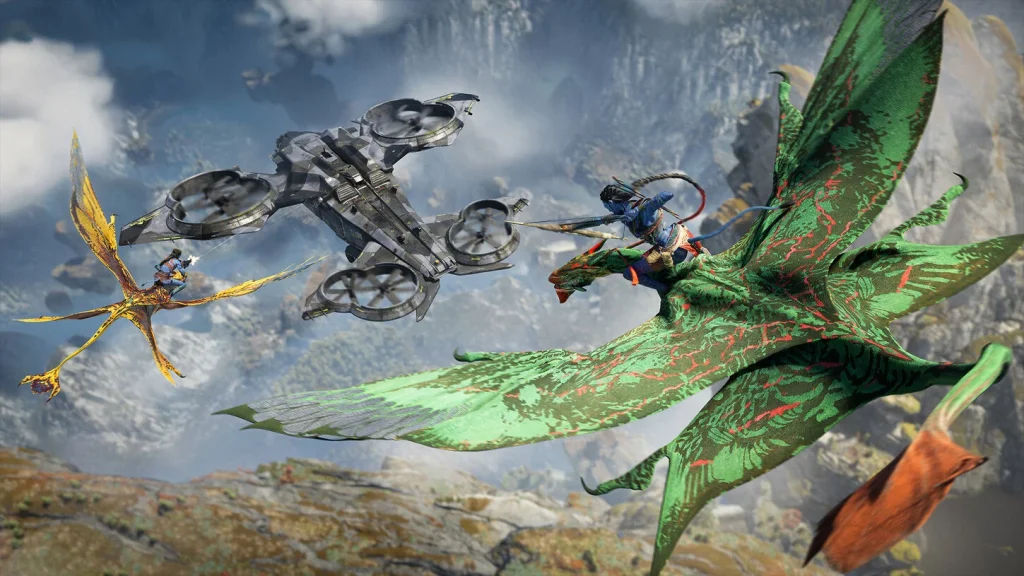
Movement is one of the game’s standout features. Traversing Pandora feels fluid and empowering, whether sprinting across roots, climbing massive trees, or soaring through the skies on a bonded mount. Verticality plays a major role in world design, encouraging players to think in three dimensions and rewarding curiosity. Exploration rarely feels forced; instead, it invites players to slow down, observe, and engage with their surroundings.
Combat blends traditional first-person action with a more deliberate, tactical rhythm. Players are encouraged to use the environment to their advantage, combining stealth, mobility, and precision rather than relying on brute force. The contrast between natural weapons and advanced technology reinforces the thematic divide between harmony and exploitation. Each encounter feels purposeful, pushing players to adapt rather than overpower.
Beyond gameplay mechanics, the game carries a strong environmental message without becoming heavy-handed. Sustainability, respect for ecosystems, and the consequences of unchecked industrialisation are woven naturally into the experience. These themes resonate strongly in a modern context, making the world of Pandora feel relevant rather than purely fantastical. It’s a reminder that technology and progress come with responsibility.
Visually, Avatar: Frontiers of Pandora sets a high benchmark for modern open-world design. Lighting, scale, and environmental density work together to create moments that feel cinematic without sacrificing interactivity. The game rewards players who pause to take in the scenery, reinforcing the idea that this world is meant to be appreciated, not rushed through.
Ultimately, Avatar: Frontiers of Pandora succeeds because it understands what makes the universe compelling. It is not just about spectacle or action, but about connection — to nature, to culture, and to the choices players make within the world. By blending immersive design with meaningful themes, the game delivers an experience that feels both epic and personal.
For players seeking a visually rich, emotionally grounded adventure that respects its source material while offering something new, Avatar: Frontiers of Pandora stands as a confident and thoughtful entry in modern gaming.