ATEN History: From Home-Automation Controls to KVM and Enterprise Connectivity
ATEN’s roots reach back to 1979, when the company was registered in Taiwan as HOZN Automation Co. Ltd. Its first product, introduced in 1982, was a central-control series for home appliances that could monitor and operate security sensors, lighting and power switches remotely. That origin is striking because modern ATEN is known mainly for professional KVM, connectivity and AV-control systems rather than home automation.
The company moved toward computer connectivity during the 1980s. Data switch boxes appeared in 1984, followed by automatic switches, converter products and industrial computers. In 1988 the company adopted the ATEN International name, and in 1991 it introduced products explicitly under the ATEN brand together with an internally developed ASIC.
From Home-Automation Controls to KVM and Enterprise Connectivity
Switching became the technical core. Printer sharing, keyboard-video-mouse switching and later USB connectivity all addressed a similar problem: multiple computers or devices needed to share interfaces efficiently. ATEN describes the 2001 CS62 as the world’s first compact cable KVM; that remains a company claim, while the product clearly shows how firmly the business had moved into professional connectivity.
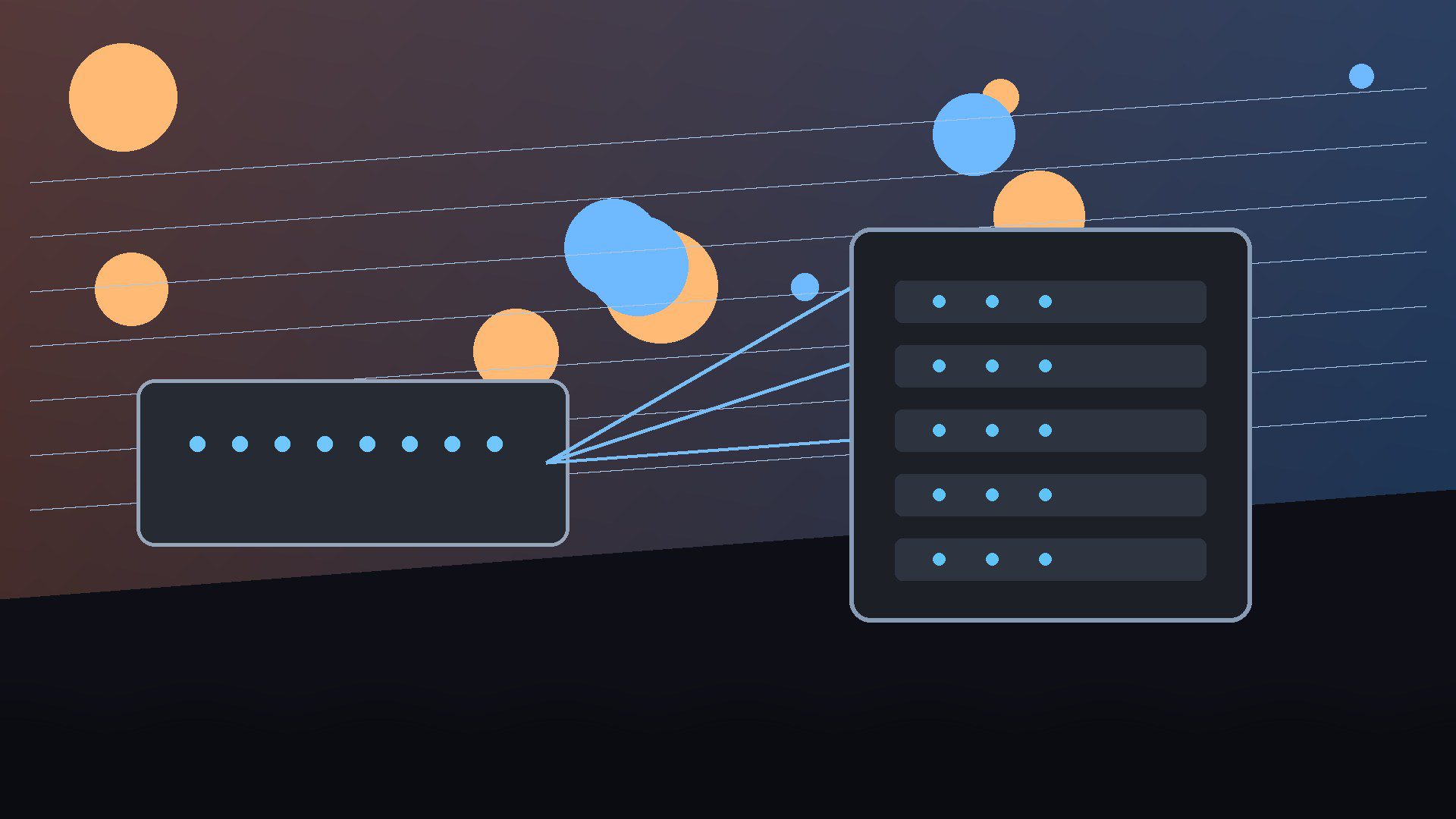
From there, KVM systems scaled upward into server rooms and data centres while professional AV products added video distribution and control. The same switching logic that once selected between a few desktop devices became relevant to racks of servers, control rooms and remote management.
Aten today
ATEN continues to supply KVM, professional AV, power and remote-management products for data centres, control rooms and enterprise installations, far removed in scale from its first home-control products.
ATEN’s history is unusually coherent when viewed through signal control. The 1982 home-control product, 1984 data switch box and later KVM and AV systems all deal with deciding which device connects to which endpoint and how that connection is managed. The markets changed dramatically, but control and switching remained the engineering theme. That continuity is more meaningful than describing ATEN as a generic networking company.
